
8 Ways to Shop & Eat with Less Packaging
Sustainable Eating: 8 Ways to Shop & Eat with Less Packaging
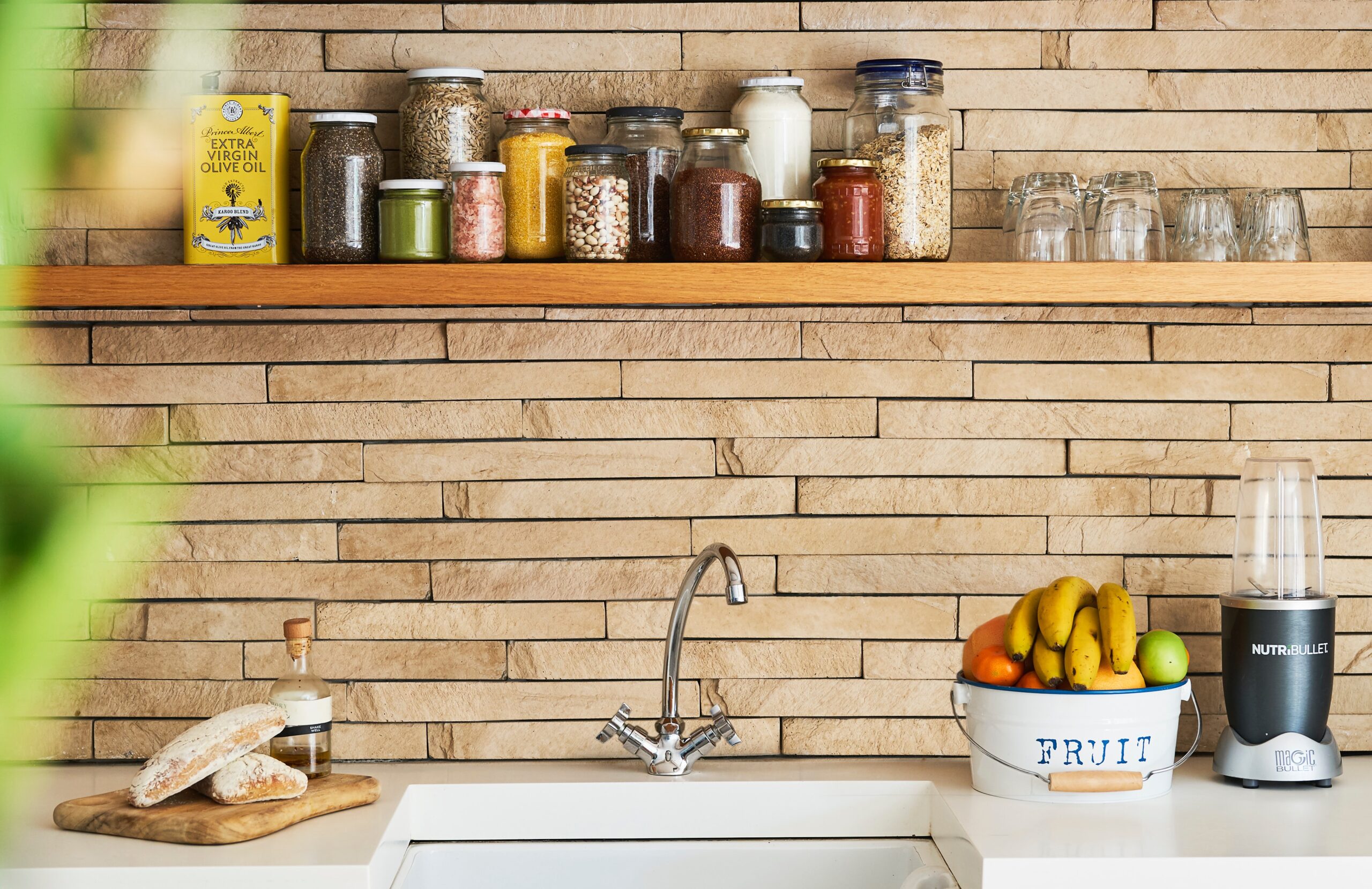
Like most folks, I am far from living a perfectly sustainable lifestyle. But I try to shop and eat with less packaging whenever possible. While plastic and other packaging can make life easier, they are unfortunately single-use products, which seem pretty silly when you live on a planet with finite resources. Especially when we know that a plastic bag takes 1,000 years to break down, and it degrades into microplastics that continue polluting our environment long after.
With that being said, I understand that not everyone has the resources, time, or desire to make swaps to reduce packaging. However, if it’s something that seems feasible for your lifestyle, check out this list of recommendations.
1. Use reusable jars for bulk goods
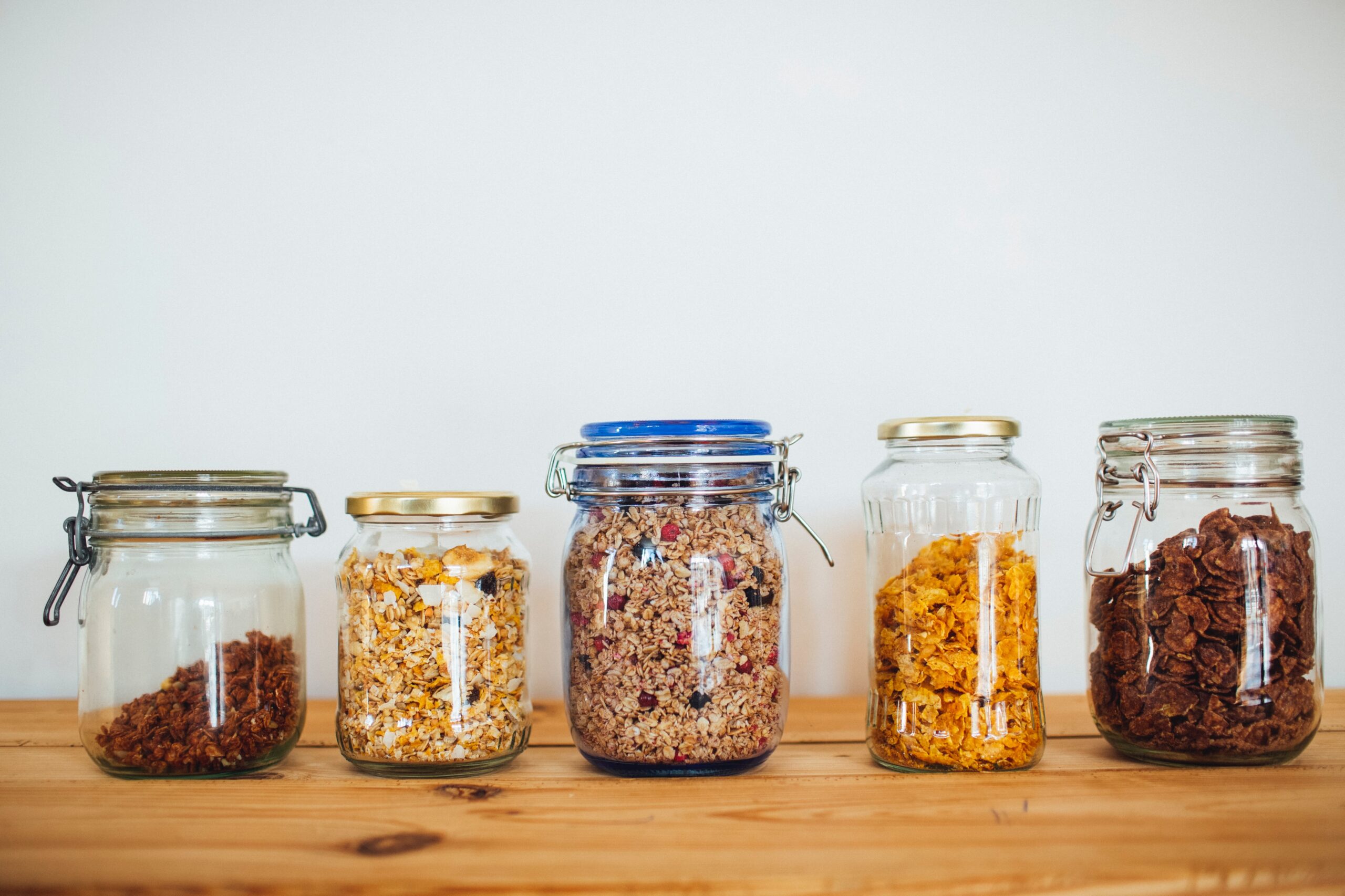
While this might seem like extra work to bring your jars to the grocery store each time – it’s so worth it. I collect old glass jars from peanut butter, jams, coconut oil, etc. Or you can opt to purchase mason jars. Your next step is to weigh them when they’re empty, clean, and dry. This weight gives you the tare. From there, make sure you know the tare of all jars you’re bringing to the grocery store.
What is a tare? A tare is the weight of an empty container. An example of how tare is used: if you have a jar that weighs .5 lb (this is the tare) and you fill it with 1 lb of bulk dried oats, then the total weight would be 1.5 lbs. However, you don’t want to be charged for the weight of the jar, so at checkout, the tare (.5 lb) is subtracted so you are only charged for the 1 lb. of oatmeal.
If you haven’t done this before, you can always call ahead to make sure your grocery store accepts outside containers. If you don’t have a kitchen scale, some grocery stores are able to weigh the containers for you before you fill them up.
Now for the fun part – go to the bulk section of the grocery store and fill them to your heart’s content! At the check-out, just be sure to tell the cashier the tare of each item, so you’re not paying for the weight of the jars. The best part about this strategy is the jars look great on display in your kitchen!
2. Use reusable mesh bags for produce (or no bags)
I try to avoid single-use plastic at the grocery store as much as possible. The easiest way for me to do this is to either use reusable mesh grocery bags or just leave my produce out of bags altogether.
Similar to using bulk jars, make sure that your reusable bags have a tare on them. If not, weigh them ahead of time and write down the tare of each empty bag. It’s a matter of preference but we wash all our produce anyways, so I don’t mind leaving mine bagless. Leaving produce out of plastic bags until you get home seems like an easy way to eliminate single-use plastic.
3. Shop your local Farmer’s Market
Living in Chicago, we have such an awesome variety of Farmer’s Markets to choose from! In addition to being local, which is great in terms of sustainability and supporting your community, most items at Farmers Markets aren’t wrapped in plastic.
There’s a grocery store – that shall not be named – that I stopped frequenting because of its produce packaging. While the prices are affordable, and it has a loyal customer base, I don’t feel comfortable with all of my produce items coming pre-wrapped in plastic. A great alternative to that is shopping at farmer’s markets. Especially this time of year. Support farmers within your community, eliminate extra packaging, and purchase food at its peak!
4. Eat more plants
With processed foods and animal products (meat, fish, dairy, etc.), it’s hard to avoid packaging (usually plastic or styrofoam). But with produce and other plants, it’s easier to purchase with reusable bags, reusable jars, or just as is. Since we know plant-based foods are packed with nutrients that are great for our health, this seems like a great way to bolster our nutrient intake, while also cutting back on that pesky packaging.
5. Try your hand at gardening
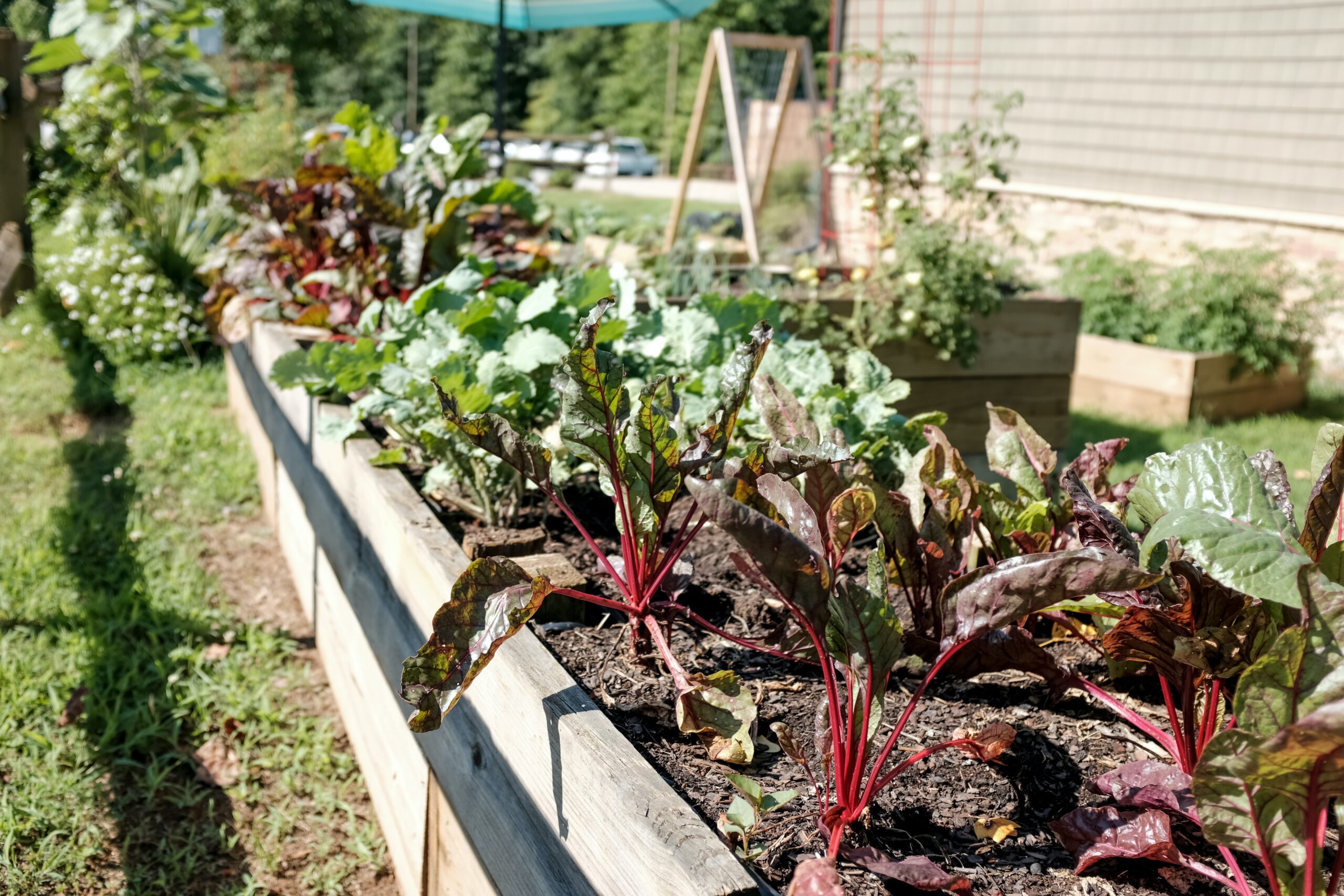
If you’re curious to try and have the space, you could start your own garden – no matter how small! Even if you don’t have the space, you could do something as simple as a few herbs, or cherry tomatoes in the window. Herbs and cherry tomatoes are examples of produce that are invariably packaged in plastic. If you could eliminate that additional plastic by just growing and harvesting these items yourself – this would be a small but effective way to cut back on plastic. Not to mention it could be a fun new hobby.
Alternatively, you could mooch off someone who has a garden. Most gardeners end up with more than they know what to do with. While I don’t have a green thumb, I, fortunately, have parents who keep an incredible garden. I am constantly getting my summer produce from them. Of course, this isn’t the case for everyone, but if you know anyone with a garden, I’m sure at certain times of the year, they have a surplus and would be happy to share.
6. Freeze your own fruit and vegetables
I am a big fan of buying frozen produce – it’s easy, affordable, and always tastes great. However, frozen produce has a bit of a plastic problem. Something that I’ve pledged to try this summer is to freeze my own produce. While I won’t be able to completely eliminate my purchasing of frozen fruit/vegetables, this will help cut back.
Two ideas to help make this more effective: (1) if you have a garden or know someone who does (hi Mom and Dad!), and there’s a surplus of certain items – freeze them. Whether it’s kale, spinach, or berries, there’s a handful of garden items that will freeze perfectly and can be reused in loads of different ways. (2) when it’s the peak season for a particular item, stock up at the store or farmer’s market. A lot of times there are sales on in-season produce, too. You can stock up and set aside what is realistic for you to eat before it goes bad. Then take the rest and freeze it!

7. Try to avoid pre-cut fruits and vegetables
For some people, this is the only way they can get their intake of fruit and vegetables – and if that’s the case, there is no shame. However, if you’re trying to be more environmentally conscious, these items almost always come in some sort of plastic packaging. If you have the time and determination to buy and cut your own produce – use the above ideas to purchase it packaging-free, and then chop it and store it in a reusable container as soon as you get home from the store.
8. Opt for items in glass containers
Sometimes they might cost a bit more but if you can afford to spring for items in glass jars, such as nut butters, coconut oil, etc – go for it! The extra cost provides you with a container you can use again and again. This is one of my favorite ways to collect reusable jars. This could save you money from buying new mason jars, too.
While some may believe individual action doesn’t make a difference, I’m of the mindset that every bit counts. Let me know in the comments which of these you already do or want to try! Is there something else that you do to eat with less packaging that I missed?

CAND Instagram
Recent Posts


Meet the Author

Bringing you the best nutrition information...
Our Academy Bloggers
CAND has several professional and student bloggers. They write about a range of topics for the public.