
Children’s Menus: For kids under 10….. and Bariatric Patients
It’s likely that you have heard (or read) about those ‘dieters dream’ stories promoting the use of not-so-good-for-you food items for weight loss (see McDonalds, Starbucks, and Twinkies).
While people lost weight on these kinds of diets, they also lost out on nutrition, as most ‘fad diets’ focused solely on calorie restriction. The key to healthy, lasting, weight loss however is not simply maintaining a calorie deficit. Rather, it’s about learning how to maintaining a deficit AND nutrients simultaneously, while learning how to enjoy and incorporate new foods and sustainable habits into your life.
So… While yes, one can lose weight from eating only Starbucks food or Twinkies for a month, bottom line is the calories you do consume matter.
It all goes back to the concept of “empty calories” (i.e. fruit punch v. fruit salad). The aim for dieters cutting back on calories – and for everyone in general — should be to fill the body with primarily wholesome nutrient DENSE foods. The kinds of foods that help our bodies function at its best.
Hence, my surprise after stumbling upon an article featured on NPR’s food blog The Salt, titled, “Restaurant Discounts for Gastric Bypass Patients May Send Mixed Messages.” The story outlines how some bariatric surgeons have started issuing Restaurant Cards, which allow patients to order off the child’s menu at some popular restaurant chains, including Chili’s Restaurants, Cracker Barrel Restaurants and Outback Steakhouse Restaurants (click for menus).
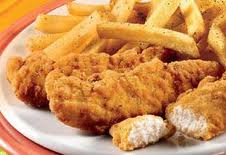
While some of the menus do focus on nutrient dense foods, most are high in fat and low in nutrients. Just like fad-diets, ordering child sized portions of macaroni and cheese or chicken fingers with French fries is not something that should be encouraging for healthy weight loss. What’s more, research has shown bariatric patients generally have worsening quality of food intake in the first months after surgery (Ramón, González, Dorcaratto, et al., 2012). Handing these cards to patients after surgery not only sends the wrong message — it sets patients up for failure. From the get-go bariatric patients are at an elevated risk for malnutrition, and must follow a strict regimen of vitamin supplementation to avoid nutrient deficiency. Why give them something that discredits the importance of maintaining a healthy weight through a nutritious diet? Furthermore, seemingly encouraging restaurant meals, leaves patients susceptible to post-op complications, such as dumping syndrome, nausea, vomiting, and/or diarrhea.
Health care providers should endorse patients stick with the good stuff, and encourage patients view gastric bypass as their second chance to start anew. We must advocate for our patients and help them reach their goals…not confuse them with contradictions.

Reference
Ramón, J.M., González, C.G., Dorcaratto, D., Goday, A., Benaiges, D., González, S., Pera, M., & Grande, L. (2012). Quality of food intake after bariatric surgery vertical gastrectomy versus gastric bypass. Cir Esp, 90(2), 95-101.
CAND Instagram
Recent Posts


Meet the Author

Bringing you the best nutrition information...
Our Academy Bloggers
CAND has several professional and student bloggers. They write about a range of topics for the public.
The unfortunate part is that the food items that are often offered for “kids” are so unhealthy. Bariatric patients and children have something in common: they both need education and support to eat healthful foods in proper portions. Great post!