
The Ins and Outs of Oils
Oils, or fats, are an important part of cooking: they act as a source of heat transfer, aid in solubility and emulsification, and add flavors and textures to our foods. But deciding on the right cooking oil can be confusing, especially now that there are so many to choose from. The other day at the grocery store I counted about 15 different types of oils, not to mention all the different varieties and brands! Which ones are the healthiest? What do all these descriptions mean? What do they taste like? Can I use it to sauté, stir-fry, or bake with?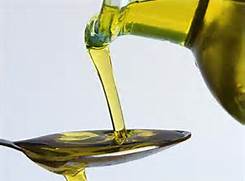
For me, there are three key things to keep in mind when choosing a cooking oil or other fat. First, what kind of fat is it mainly comprised of? Second, how is it processed? And third, what am I going to use it for? Hopefully, this information will help to sort some of that out.
Remember, all oils are fats, but not all fats are the same. There are four main types of fats:
-
Saturated – Chemically speaking, saturated fatty acids contain the maximum number of hydrogen atoms. Most animal or tropical plant-derived oils are saturated fats. Their relationship to cardiovascular disease and other health issues is an ongoing topic of research and debate. (ex: butter, lard, coconut oil)
-
Polyunsaturated – Fatty acids that lack four or more hydrogen atoms and have two or more double bonds. There are two types of essential polyunsaturated oils:
a. Omega-3s: Anti-inflammatory, heart protective (good) (ex: flax seed oil, walnut oil)
b. Omega-6s: Pro-inflammatory (not so good) (ex: corn oil, canola oil)
-
Monounsaturated – Fatty acids that lack two hydrogen atoms and have one double bond. (ex: olive oil, canola oil)
-
Trans Fat – Fatty acids with hydrogen on opposite sides of the double bond. They behave similar to saturated fats when consumed. Trans fats are bad for your health and should be avoided. (ex: any oil that is hydrogenated/partially hydrogenated)
Below are some descriptions commonly seen on a container of oil, most of which refer to the way they were made:
-
Refined vs. Unrefined – Most oils produced on a large scale, such as canola, are refined. Refined basically means processed involving the use of heat and chemicals. As a general rule, more refining leads to less flavor, less color and, most likely, less health benefits. Unrefined then means unprocessed, or in the purest form.
-
Light – Refers to color and taste only (not calories or fat content). Like every other oil, light oil is 100% fat.
-
Cold-pressed/Extra Virgin – The oil is extracted by mechanical pressing only. There’s little or no heat used to extract more oil. After it’s pressed the oil just needs to be filtered, so it tends to keep its natural flavor. You can usually tell a cold-pressed oil by its deep color and stronger flavor (and higher price!)
-
Expeller-expressed – The oil is obtained by squeezing at high-pressure, which generates heat. Remember that heating an oil during processing can destroy some of it’s properties including health benefits.
Based on their healthfulness, here are some oils/fats that I recommend using:
- Extra-Virgin Olive Oil (EVOO) – Rich in flavor and aroma, EVOO is excellent for cooking or used in marinades and salad dressings. Mainly a monounsaturated fat, it is fairly low in those pro-inflammatory omega-6s. EVOO is high in flavonoids, a type of antioxidant that enhances our immune system and aids in the prevention of cancer and cardiovascular disease.
- Coconut Oil (unrefined, organic) – Coconut oil is high in a “good” saturated fat, lauric acid, and is low in omega-6 fatty acids. It’s also very versatile: great for baking and cooking at high temperatures. Keep in mind it does have a strong flavor profile, which may not be suited for all recipes. Avoid hydrogenated versions, which contain trans fats.
- Flax Seed Oil – Flax seed oil is high in omega-3s, which are good for us! Flax seed oil is heat sensitive and is better suited for use in dressings than it is for cooking. Make sure to store flax seed oil in the refrigerator.
- Butter (grass-fed) – Yes, butter! True butter is a saturated fat, but grass-fed is high in conjugated linoleic acid (CLA) which have some possible health benefits including fat loss and the treatment of some cancers. It’s also low in omega-6s. Use butter in baking or sautéeing. Butter is pure, not processed, and should be purchased from organic sources.
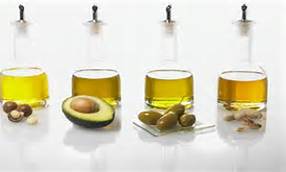
Oils and fats to use sparingly or avoid altogether:
- Soybean and Corn Oil – Both oils are very high in omega-6s. They are almost always highly processed (i.e. refined, bleached, deodorized) and unless organic, are derived from genetically modified crops.
- Palm Oil – Palm oil is very high in omega-6s and is especially of concern due to it’s environmental implications. Palm oil cultivation has led to the destruction of rain forests, greenhouse admissions, and reduced biodiversity in many countries. For more information on palm oil and the environment, check out this news article from the New York Times.
- Margarine – Margarine is highly processed and contains hydrogenated oils (trans fats). You are better off using grass-fed butter.
Healthfully Yours,
Meghan
CAND Instagram
Recent Posts



Meet the Author

Bringing you the best nutrition information...
Our Academy Bloggers
CAND has several professional and student bloggers. They write about a range of topics for the public.
Great article! This is a topic that often confuses consumers – what an excellent summation of the pertinent nutrition information.