
For the Love of Legumes! 5 Reasons Not to Cut Legumes Out of Your Diet
Am I going overboard as a dietitian by professing my love of legumes? Well, if I am, then so be it! I was inspired to write this post after someone asked me if green beans were legumes (yes, they are) because they were trying to avoid them after hearing that the phytic acid present in legumes prevents nutrients from being absorbed (read: Paleo propaganda).
For the record, phytic acid is present in legumes and can bind minerals such as iron, phosphorus, zinc and calcium, in the gut. However, the benefits of consuming legumes outweigh the risk. Additionally, when we look at the scientific literature available on this topic, people who consume the most legumes have adequate mineral status.
If you’re eating a balanced diet with a variety of plant foods (read: nutrient powerhouses), then this shouldn’t be a major concern. Consuming a vitamin C source (like tomatoes) with legumes breaks the bond between phytate and iron, thus allowing your body to absorb the iron in the legumes. Zinc is a bit more complicated, especially for vegetarians and vegans who are getting their zinc from phytate-containing foods (instead of meat). Sprouting legumes reduces their phytate content and helps improve mineral absorption. If you have concerns about mineral absorption, talk to a registered dietitian nutritionist.
“Legumes” includes thousands of plant species, some of the most popular being beans, lentils, soybeans, peas and peanuts (yes, peanuts are a legume, not a nut). Dried legumes, such as lentils and split peas, are referred to as pulses. The U.N. declared 2016 the International Year of Pulses and proclaims, “pulses are a vital source of plant-based proteins and amino acids for people around the globe and should be eaten as part of a healthy diet to address obesity, as well as to prevent and help manage chronic diseases such as diabetes, coronary conditions and cancer.”
Legumes contain health-protective fiber
Many Americans don’t eat enough fiber. Adding legumes or swapping out animal protein for plant protein can significantly bump up one’s fiber intake. Bonus: according to MyPlate, legumes can “count” as either a protein or a vegetable (but not both at the same time!), which is good news for individuals who have a hard time getting at least 25 grams of fiber per day from fruits, veggies and whole grains.
Legumes are inexpensive
Nutrient per dollar, legumes are one of the most affordable nutritious foods out there, especially when you compare them to other protein foods.
| Food | Cost/lb | Calories/lb | Protein/lb | Fiber/lb | Iron/lb |
| Dried Lentils | $1.00 | 1600 | 112 g | 59 g | 30 mg |
| Tofu | $2.00 | 381 | 40 g | 4 g | 5 mg |
| Chicken Breast | $3.25 | 550 | 102 g | 0 g | 2 mg |
| Lean Ground Beef | $5.90 | 1150 | 115 g | 0 g | 12 mg |
Legumes are incredibly versatile
I just made my first lentil loaf last week and it was so yummy and the texture was perfect. From beans and rice to peanut butter to lentil stew to tofu to veggie burgers, legumes can be made into just about anything. Try using a variety of herbs and spices to give your legumes ethnic flair or if culinary creativity isn’t your thing, find some recipes with legumes and work them into your weekly meal rotation.
Eating more legumes is associated with better overall health
People who eat more legumes have significantly lower risks of heart disease, diabetes, cancer and death. Eating legumes at least three times per week seems to produce the best outcomes. Full of fiber, protein, antioxidants and phytochemicals, it’s not hard to understand how beans got their nickname “magical fruit” (and they do make you toot, so if you don’t eat many legumes, start slow and add them into your diet gradually to prevent too much gastrointestinal distress).
Legumes are a sustainable source of protein
Gram for gram, growing legumes causes significantly less environmental damage than producing animal protein. The water footprint per gram of protein of milk, eggs and chicken is 1.5 times that of pulses (note this doesn’t include beef, which has the largest water footprint of all). Since cattle grazing is responsible for an astounding 80% of Amazon rainforest deforestation, Mother Earth would appreciate us swapping out beef for beans.

Lentil soup
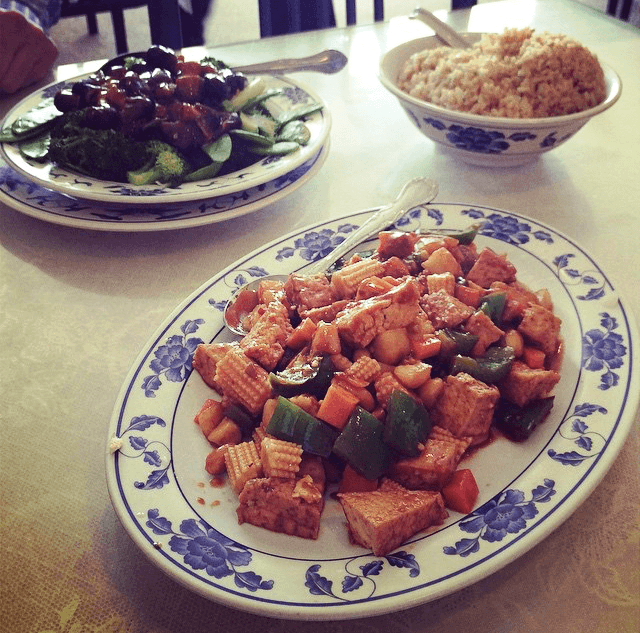
Kung Pao Tofu (made from soybeans)

Ethiopian food with split peas
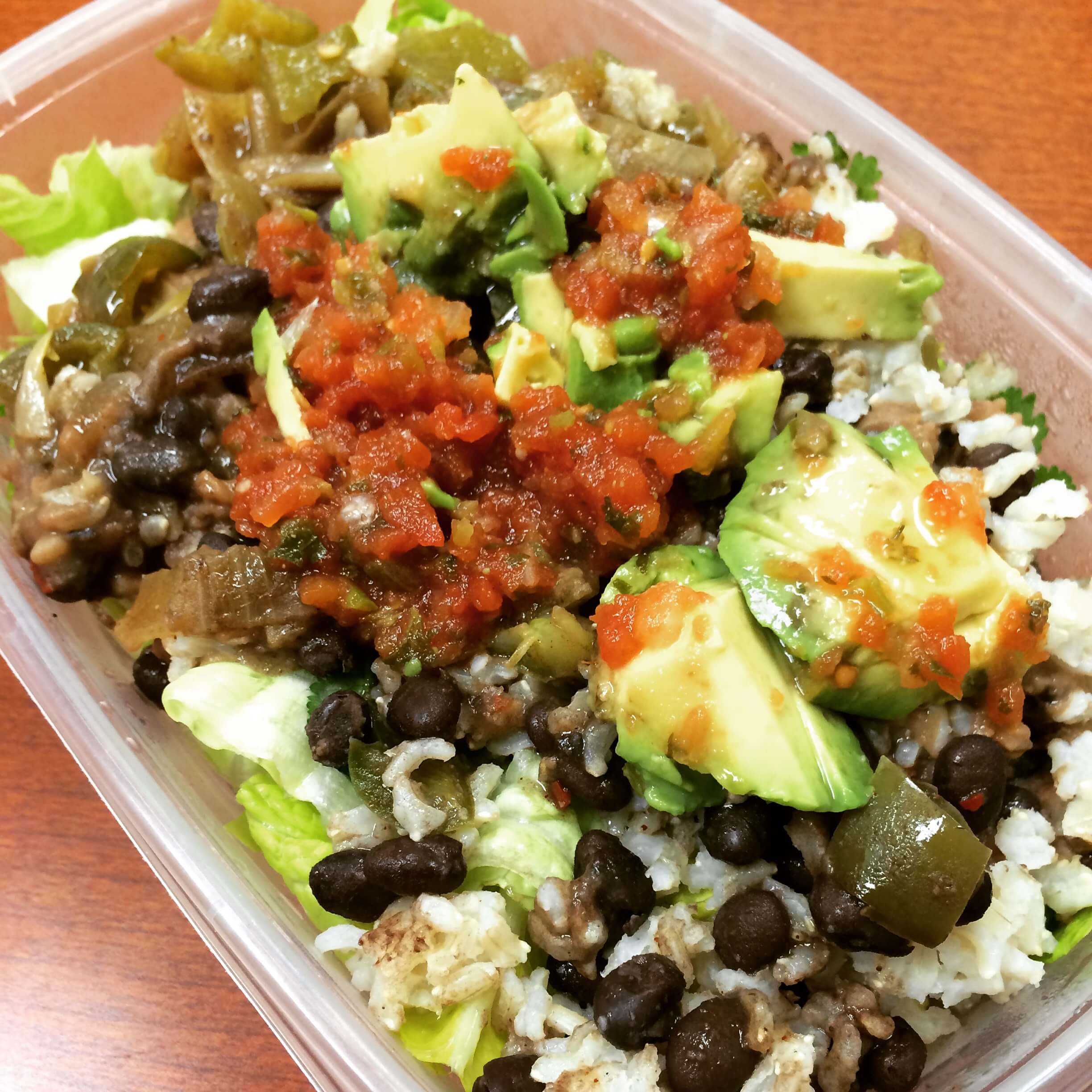
Burrito bowl with black beans

Lentil walnut tacos

Hummus (made from garbanzo beans)
References:
International Year of Pulses 2016
Average Retail Food and Energy Prices, U.S. and Midwest Region
USDA National Nutrient Database for Standard Reference
A Global Assessment of the Water Footprint of Farm Animal Products
Vegetarian diets: what do we know of their effects on common chronic diseases?
Dietary protein sources in early adulthood and breast cancer incidence: prospective cohort study
CAND Instagram
Recent Posts



Meet the Author

Bringing you the best nutrition information...
Our Academy Bloggers
CAND has several professional and student bloggers. They write about a range of topics for the public.
Preach it! Love this post – sharing now 🙂
Great job, Taylor!!